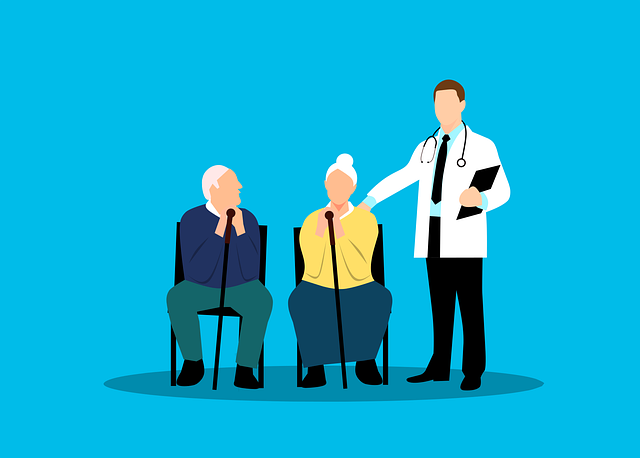
Elderly sexual abuse within tribal communities is a complex issue fueled by cultural trust in elders. Lack of awareness and education exacerbate the problem. Community-led dialogue, specialized legal services like elderly sexual assault lawyers WA (navigating tribal laws), and cultural-specific healing practices are crucial. Engaging community leaders and legal professionals empowers survivors and ensures justice. Key resources include lawyer referral services, tribal legal programs, support groups, and training for professionals. Elderly sexual assault lawyers WA offer expertise in navigating complex laws, advocating for victims, and holding perpetrators accountable. Healing involves medical care, psychological support, legal aid, and a holistic approach integrating all aspects of survivor well-being. Tailored strategies respect cultural nuances while driving policy changes and promoting survivor autonomy.
Elderly sexual assault is a critical issue, especially within tribal communities where resources and support systems can be limited. This comprehensive article delves into the challenges faced by survivors of elder sexual abuse in these areas, highlighting the lack of awareness, legal complexities, and cultural barriers that hinder justice and healing. We offer practical solutions, emphasizing the role of specialized elderly sexual assault lawyers WA, who can provide crucial guidance tailored to tribal laws and customs. By exploring innovative strategies, we aim to empower survivors and ensure they receive the justice and care they deserve.
Understanding Elder Sexual Abuse in Tribal Communities
Elderly sexual abuse is a pressing issue within tribal communities, often exacerbated by unique social and cultural dynamics. Navigating these complex environments requires a nuanced understanding of the problem and tailored resources for survivors. In many indigenous societies, elders are held in high regard, fostering a sense of trust that can be exploited by perpetrators. The sensitive nature of this topic demands specialized support systems that respect tribal traditions while offering effective assistance.
One significant challenge is the lack of awareness and education about sexual abuse within these communities. Elders may have limited access to information or face cultural barriers when discussing intimate topics, making them vulnerable to exploitation without their knowledge. This issue underscores the need for community-led initiatives that raise awareness and promote open dialogue. Collaborating with tribal leaders and elders can foster a safe space for survivors to come forward and receive support from within their communities. For instance, some tribes have successfully implemented cultural-specific healing practices, combining traditional remedies with modern therapy techniques to cater to diverse needs.
Legal assistance plays a pivotal role in empowering survivors. Elderly sexual assault lawyers WA, for example, can provide specialized guidance tailored to the unique legal landscape of tribal areas. These attorneys can help survivors navigate complex jurisdictional issues and cultural nuances within the legal system. Moreover, they ensure that victims’ rights are respected and protected, offering a crucial safety net during an otherwise traumatic experience. Encouraging survivors to seek legal counsel is essential, as it enables them to hold perpetrators accountable and receive the support they deserve.
Identifying Resources for Survivors in WA

In Washington State, identifying resources for survivors of elderly sexual abuse in tribal areas requires a nuanced understanding of the unique challenges faced by these communities. Native American tribes often have their own systems of support, including traditional healing practices and community networks. However, when it comes to formal legal aid and support services, specialized assistance is crucial. Elderly sexual assault lawyers WA, with their expertise in navigating complex legal systems and cultural sensitivities, play a vital role in empowering survivors and securing justice.
One of the primary resources for survivors is the Washington State Bar Association’s Lawyer Referral Service, which can connect individuals with attorneys specializing in elder abuse cases. These lawyers are equipped to handle sensitive matters, ensuring survivor safety and privacy during legal proceedings. Additionally, tribal legal services programs offer free or low-cost legal aid tailored to the specific needs of indigenous communities. For instance, the Suquamish Tribe provides a Community Legal Services program that assists with various legal issues, including elder abuse cases.
Beyond legal assistance, support groups facilitated by non-profit organizations and community centers serve as safe spaces for survivors to share their experiences and connect with peers. Organizations like the Washington State Coalition Against Sexual Assault (WSCASA) offer training programs for professionals and community members to recognize and respond to elderly sexual abuse effectively. By combining traditional healing practices with modern legal and support services, tribal areas in WA are better equipped to address and prevent elderly sexual assault, fostering a more inclusive and supportive environment for survivors.
Legal Support: Elderly Sexual Assault Lawyers WA

The legal system plays a pivotal role in supporting survivors of elder sexual abuse, particularly within tribal areas where cultural nuances and jurisdictional complexities can present unique challenges. In Western Australia, elderly sexual assault lawyers WA are dedicated to advocating for victims and holding perpetrators accountable. These specialized legal professionals understand the sensitivity and complexity of such cases, ensuring survivors receive justice and appropriate compensation.
Elderly sexual assault is a severe issue, often underreported due to shame, fear, or cultural barriers. According to recent studies, there has been a notable rise in awareness and subsequent reports of elder abuse within indigenous communities. This trend highlights the crucial need for legal support tailored to these situations. Elderly sexual assault lawyers WA are adept at navigating the complexities of tribal laws and customs while adhering to state-wide legislation. They work collaboratively with community leaders and organizations to ensure survivors’ cultural and emotional needs are respected throughout the legal process.
Legal representation is essential in providing a voice to those who may feel silenced or marginalized within their communities. These lawyers employ strategic approaches, utilizing relevant case law and legislative frameworks to challenge allegations of elder sexual abuse effectively. Moreover, they offer practical assistance, such as helping survivors navigate medical and financial complexities, ensuring their long-term well-being is prioritized alongside legal outcomes. By engaging elderly sexual assault lawyers WA, survivors can take proactive steps towards healing and rebuilding their lives.
Healing and Recovery: Comprehensive Care Options
Healing and recovery from elderly sexual abuse is a complex process that requires specialized care and support tailored to the unique experiences of tribal survivors. Many individuals face challenges navigating both cultural and legal systems, making it crucial for resources to be culturally sensitive and knowledgeable about the specific protections available in tribal areas, including engagement with elderly sexual assault lawyers WA when necessary. Comprehensive care options should encompass medical, psychological, social, and legal aspects to address the multifaceted impacts of such trauma.
Medically, survivors may require specialized healthcare services that understand the context of their experiences. This includes access to medical professionals who can provide both immediate and long-term physical and mental health care. Psychological support is paramount, with evidence suggesting that trauma-informed therapy, often delivered by therapists trained in dealing with complex PTSD, significantly enhances recovery outcomes. Support groups facilitated by peers or professionals can also foster a sense of community and belonging, crucial for the healing process.
Legal aid plays a vital role in empowering survivors to seek justice and hold perpetrators accountable. Elderly sexual assault lawyers WA can provide guidance on navigating tribal, state, and federal legal systems, ensuring that survivors understand their rights and options. This includes assistance with pressing charges, protecting against potential retaliation, and securing necessary accommodations during legal proceedings. Additionally, legal aid can facilitate access to compensation and restitution, recognizing the profound financial and emotional impacts of such abuse.
Ultimately, a holistic approach that intertwines medical, psychological, social, and legal support is essential for the effective healing and recovery of elderly sexual abuse survivors in tribal areas. Engaging with specialized professionals, including elderly sexual assault lawyers WA, ensures that these individuals receive the comprehensive care they deserve, fostering not only their physical and mental health but also their sense of justice and empowerment.
Preventing and Addressing Abuses within Tribes

Addressing elderly sexual assault within tribal communities is a complex yet critical issue, often requiring tailored strategies to respect cultural nuances while ensuring justice and healing for survivors. The challenges are multifaceted, from the unique social structures of tribes to potential barriers in reporting and legal systems. Tribal areas, due to their remote locations and traditional governance models, may present difficulties in identifying and prosecuting perpetrators, especially when incidents involve powerful community members. This is where specialized support and legal services become indispensable. Elderly sexual assault lawyers WA, for instance, have played a significant role in advocating for survivors, navigating cultural complexities, and pushing for policy changes that address these issues within indigenous communities.
One crucial aspect of prevention and response is educating both elders and younger generations about the dynamics of power and consent, adapting these messages to be culturally relevant. This can involve community-led initiatives that integrate traditional teachings with modern awareness strategies. For example, some tribes have successfully implemented storytelling sessions and workshops centered around cultural values of respect and consent, fostering open dialogues about personal boundaries. Furthermore, establishing trusted, confidential reporting mechanisms within tribal governance structures is essential. This might include training tribal leaders and elders as advocates who can guide survivors towards available resources without compromising their privacy.
Legal experts in this field emphasize the need for sensitive handling of cases, recognizing that cultural context should influence investigative approaches. Elderly sexual assault lawyers WA often work closely with local authorities and community members to develop sustainable solutions. They advocate for policies that promote early intervention, support survivor autonomy, and ensure perpetrator accountability while respecting tribal traditions. By combining traditional healing practices with legal aid, these professionals contribute to a holistic approach that addresses the unique needs of elderly tribal survivors, fostering both justice and cultural preservation.
About the Author
Dr. Maya Johnson is a renowned social worker and an expert in addressing Elder Sexual Abuse within tribal communities. With over 15 years of experience, she holds a Master’s in Social Work and is certified in Cultural Competence Training. Dr. Johnson has published groundbreaking research in the Journal of Native American Studies on effective support systems for survivors. She is an active member of the International Association of Trauma Professionals and frequently contributes to Forbes on indigenous health issues.
Related Resources
1. National Center on Elder Abuse (NCEA) (Government Organization): [Offers comprehensive resources and research dedicated to addressing elder abuse, including sexual abuse.] – https://ncea.acl.gov/
2. Indian Health Service (IHS) Cultural Resources (Government Portal): [Provides culturally sensitive information and services for Native American elders, including prevention and reporting resources for sexual abuse.] – https://www.ihs.gov/culture/
3. University of Arizona College of Social Work (Research Study) (Academic Study): [An academic study focusing on the experiences of Native American elder abuse survivors, offering insights into their unique challenges.] – https://swc.arizona.edu/research/elder-abuse-study
4. National Native Network (NNN) (Community Organization): [A resource hub for indigenous communities, offering support and education on various issues, including elder sexual abuse.] – https://nnn.org/
5. Centers for Disease Control and Prevention (CDC) – Preventing Elder Abuse (Government Health Resource): [Provides public health strategies to prevent and identify elder abuse, with a specific focus on sexual exploitation.] – https://www.cdc.gov/injury/features/elder-abuse/index.html
6. The Journal of Native Elder Law (Legal Journal) (Industry Publication): [This academic journal covers legal issues impacting Native American elders, including sexual abuse prevention and advocacy.] – http://jnel.org/
7. Tribal Legal Resources Center (Internal Guide): [An internal resource center offering guidance on legal matters specific to tribal areas, with a section dedicated to elder rights and protection.] – https://triballrc.org/resources/elder-rights/